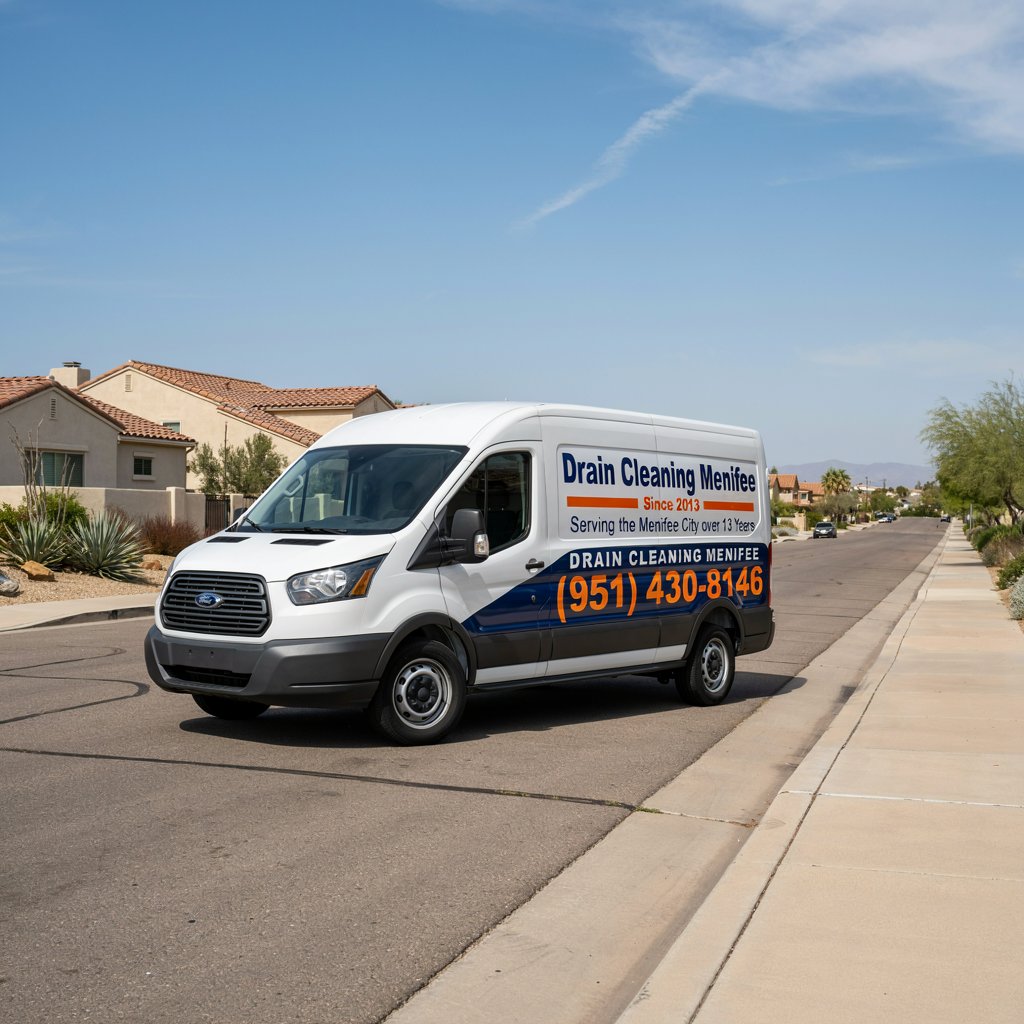
Oil/Water Separator Cleaning in Menifee, CA
A separator that's built up oil and sludge past capacity loses the retention time it needs to actually separate the two — which is exactly when a discharge sample comes back over your permit limit. We pump it clean and hand you the manifest and service record your permit file needs.
Retention Time Is the Whole Mechanism
An oil/water separator works on a simple physical principle: as process water flows through the unit, free oil rises to the surface while sediment and sludge settle to the bottom, and gravity does the actual separating over the time the water spends in the tank. That's why retention time is the entire mechanism the device depends on. As oil and sludge layers build up inside the tank, the usable retention time shrinks, and water starts moving through faster than the separation process can complete — which lets oil carry over into the effluent before it's actually separated out. This is a permit-regulated device, not a general-purpose maintenance item, and the consequence of letting it run over capacity is direct: if a discharge sample gets pulled during that carryover window and comes back above your local oil-and-grease limit, that's a permit violation, potentially fines, or a mandated corrective action plan.
Worth clarifying since the two get confused: this isn't the same service as sand trap cleaning. A sand trap addresses sand and grit collected from vehicle wash-down water at automotive facilities. An oil/water separator is a permit-regulated device using gravity separation to remove free oil from industrial process wastewater — manufacturing plants, machine shops, metal fabrication facilities where process water picks up cutting oils and lubricants, and vehicle maintenance or fueling operations are the typical facilities running one. The equipment, the regulatory requirements, and the maintenance procedures are different enough that our local drain cleaning crew in Menifee treats them as genuinely separate services, not variations on the same job.
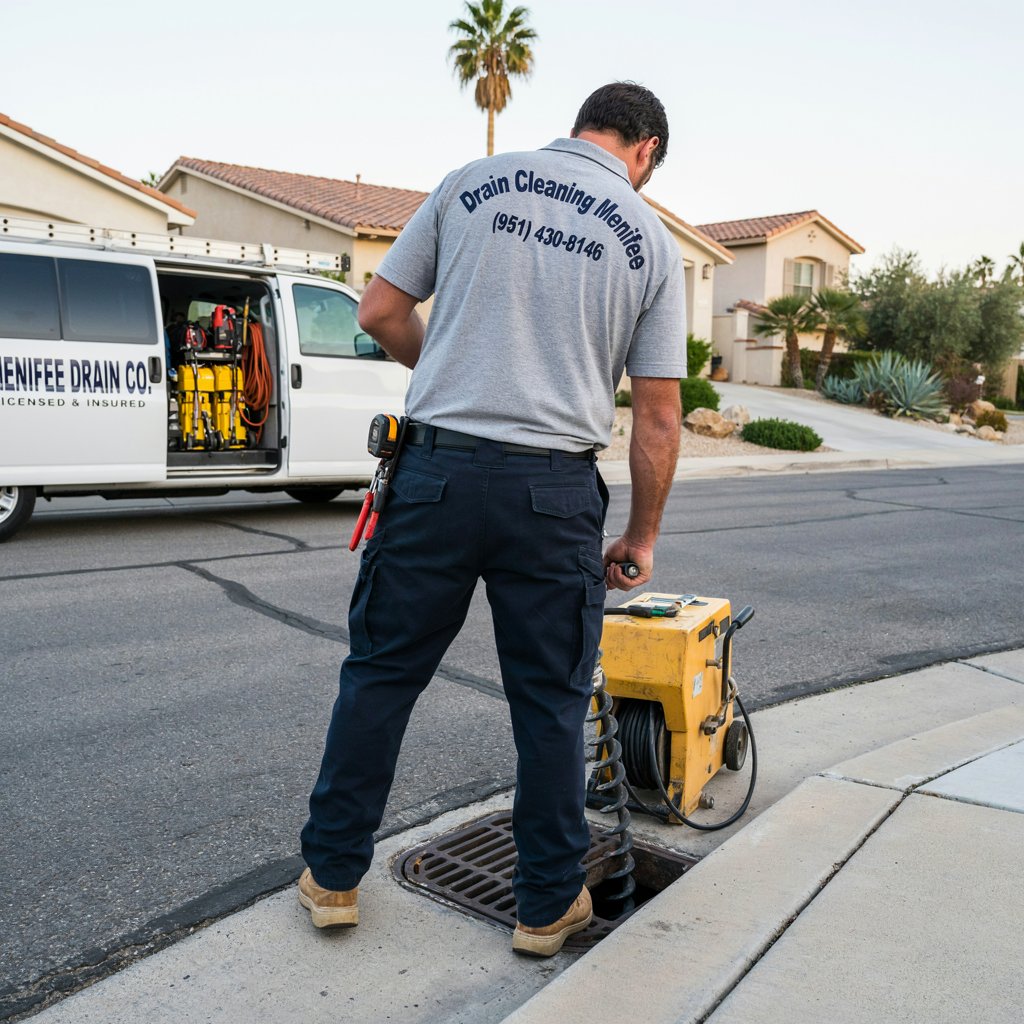
Restoring Full Retention Capacity
Assess Accumulation
We check oil and sludge layer thickness against the tank's rated capacity to confirm what's actually needed.
Vacuum Extraction
Oil, sludge, and rinse water pumped into a sealed vacuum tank, fully restoring the unit's retention capacity.
Inspect Internal Components
Baffles, coalescing media, and internal condition checked while the tank is empty and accessible.
Licensed Waste Transport
Recovered material transported by a licensed hauler to an approved recycling or treatment facility — nothing dumped on-site.
Manifest and Service Record
Documentation formatted to support your industrial wastewater discharge permit file.
What's Included in a Standard Quote
Pricing depends on tank size, how much oil and sludge has accumulated, and access at your site. Licensed waste transport, disposal, and service documentation are included in every quote — no surprise line items.
| Scope | Typical Cost |
|---|---|
| Standard separator cleaning | $325 – $650 |
High-capacity or multi-chamber units run higher — confirmed once we know your unit's specifics.
Signs Retention Capacity Is Shrinking
Approaching Your Scheduled Interval
Quarterly is standard for most Menifee facilities — track toward it rather than waiting for a visible problem.
Higher-Than-Usual Process Water Volume
Increased throughput accelerates accumulation beyond your existing schedule's assumptions.
A Recent Discharge Sample Near the Limit
A result trending toward your permit threshold is worth acting on before the next sample, not after a violation.
No Documented Service in the Last Quarter
Without records, actual accumulation and permit compliance status are effectively unverified.
What Facility Managers Say
Permit-ready documentation without having to request it separately is consistently mentioned by clients managing discharge compliance. 4.9/5 across 86 verified reviews.
"Keeps Us Clean and Compliant"
"Keeps our auto shop's oil/water separators completely clean and compliant with regulations."
"Dependable Disposal, Thorough Cleaning"
"Dependable disposal procedures and thorough cleaning service."
"On-Time Industrial Maintenance"
"Professional, on-time maintenance for industrial oil and water separation units."
Permit Compliance Built Into Every Visit
Full Vacuum Extraction
Complete retention capacity restored, not a partial skim of surface oil.
Licensed Waste Transport
Tracked manifest naming transporter, receiving facility, and volume removed.
Permit-Ready Documentation
Service records formatted for your discharge permit file, every visit.
Guaranteed Workmanship
Backed by our standard guarantee on every separator we service.
Oil/Water Separator FAQs
Is this the same as Sand Trap Cleaning?
No. Sand trap cleaning addresses sand and grit collected from vehicle wash-down water at automotive facilities, while an oil/water separator is a permit-regulated device that uses gravity separation to remove free oil from industrial process wastewater before it reaches the sewer. The equipment, the regulatory requirements, and the maintenance procedures are different, so we treat them as separate services.
Why does an oil/water separator need regular cleaning?
As process water flows through the unit, free oil rises to the surface while sediment and sludge settle to the bottom. As those layers build up, the tank's usable retention time shrinks, which lets oil carry over into the effluent before it has separated out. Left unaddressed, that carryover can push your discharge above local limits and put your permit at risk.
How much does oil/water separator cleaning cost in Menifee?
Most standard separator cleanings in Menifee run between $325 and $650, with high-capacity or multi-chamber units running higher. Pricing depends on tank size, how much oil and sludge has accumulated, and access at your site. Licensed waste transport, disposal, and your service documentation are included in every quote, so there are no surprise line items.
How often should an oil/water separator be cleaned?
Most Menifee facilities service their separator on a quarterly schedule, though high-volume operations or facilities with heavy oil loading often need monthly attention. Your local wastewater discharge permit may also specify a minimum cleaning interval, so we set your maintenance schedule around whichever is more frequent — your permit requirement or your actual accumulation rate.
What happens to the oil and sludge you remove?
Recovered oil, sludge, and rinse water are pumped into a sealed vacuum tank and transported by a licensed waste hauler to an approved recycling or treatment facility. Nothing is dumped on-site or into the storm system. Every load is tracked on a disposal manifest that names the transporter, the receiving facility, and the volume removed.
Do you provide documentation for our discharge permit records?
Yes. Every service visit includes a written service record covering the date, volume removed, and condition of internal components, along with a disposal manifest from the licensed transporter. Both documents are formatted to support your industrial wastewater discharge permit file in case of an inspection or audit.
What industries typically use oil/water separators?
We most often service separators at manufacturing plants, machine shops, and metal fabrication facilities where process water picks up cutting oils and lubricants, as well as vehicle maintenance and fueling operations. Any facility that discharges oil-contaminated process wastewater to the sewer under a local pretreatment program typically has one installed.
Can a neglected separator cause a permit violation?
Yes. A separator running over capacity loses the retention time it needs to fully separate oil from water, which allows oil to carry over into the discharge. If a sample is pulled during that window and comes back above your local oil-and-grease limit, it can result in a violation notice, fines, or a mandated corrective action plan.
Can you inspect the separator's mechanical components too?
Yes, a full component check is included with every cleaning. We inspect coalescing plates, baffles, inlet and outlet fittings, and any level alarms or automatic shutoff sensors for wear, warping, or fouling, and flag anything that needs repair or replacement before it affects separation performance.
Is oil/water separator cleaning covered by a guarantee?
Yes. We stand behind every cleaning with a workmanship guarantee — if your separator isn't performing to spec after a service visit, we'll return and correct it at no additional charge.
Stay Ahead Of Your Discharge Limits.
Contact us to set up a service schedule matched to your permit requirements and actual accumulation rate — documentation included, every visit.
Drain Cleaning Services in Menifee
Residential
- ✓ Clogged Drain Clearing
- ✓ Drain Snaking
- ✓ Hydro Jetting
- ✓ Video Camera Drain Inspection
- ✓ Root Removal
- ✓ Sewer Line Cleaning
- ✓ Bathroom Drain Cleaning
- ✓ Kitchen Drain Cleaning
- ✓ Toilet Drain Cleaning
- ✓ Laundry Drain Cleaning
- ✓ Basement Drain Cleaning
- ✓ Roof Drain Cleaning
- ✓ Downspout Drain Cleaning
- ✓ Preventative Drain Maintenance
- ✓ Emergency Drain Cleaning
- ✓ Drain Odor Diagnosis and Removal
- ✓ Slow Drain Diagnosis and Repair
- ✓ Vent Stack Cleaning
- ✓ Water Leak Detection
- ✓ Floor Drain Cleaning
Commercial
Where We're Based
Based at 28692 Summer Ln in Menifee, CA. We service oil/water separators at manufacturing and industrial facilities throughout Menifee and the surrounding Riverside County area.